Cast Iron Pipe Replacement in Largo, FL
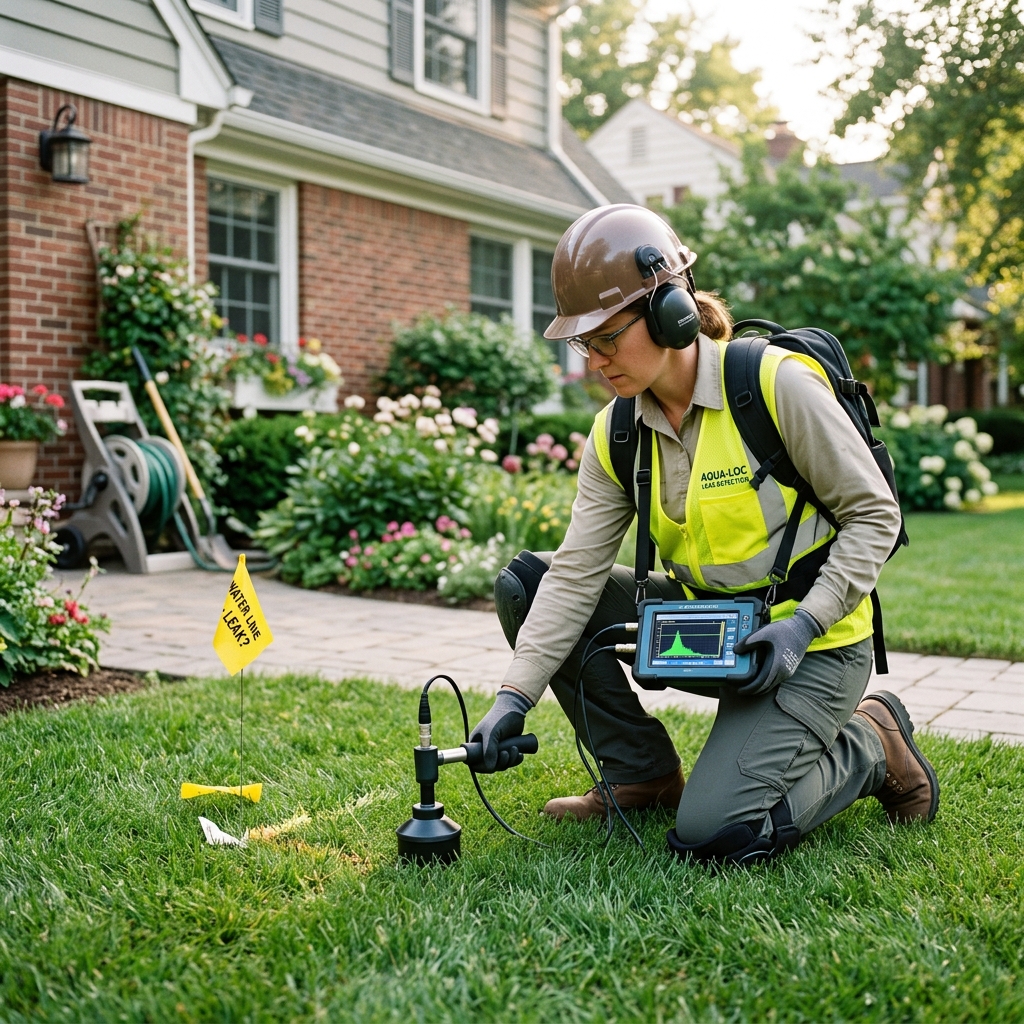
Mid-century cast iron sewer pipes buried beneath concrete slabs deteriorate from bottom channeling and acidic sewer gas. Our cast iron pipe replacement Largo specialists restore sub-slab drainage with advanced camera diagnostics and non-destructive methods.
Serving 1950s–1980s ranch homes in Downtown Largo, South Highpoint, and Seminole borders.
The Crisis of Aging Cast Iron Under Florida Slabs
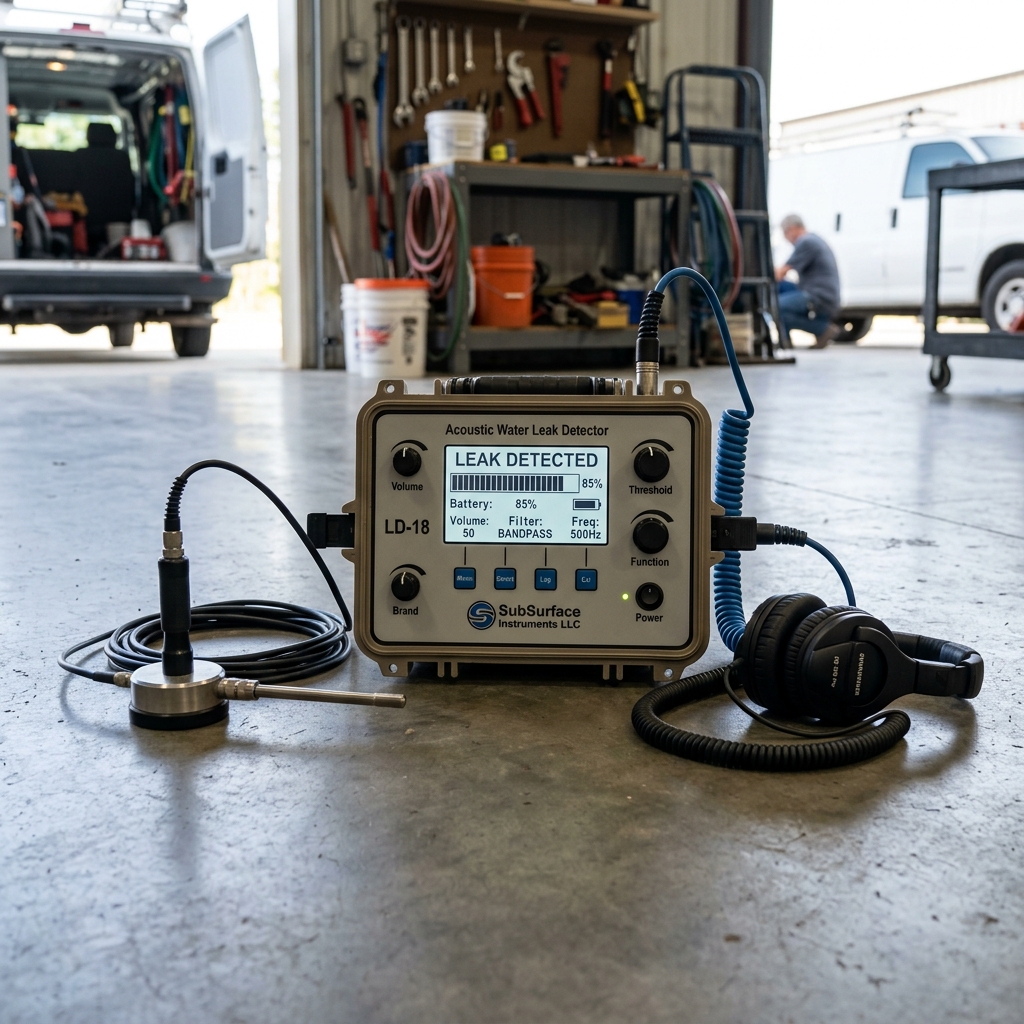
Homes built across Pinellas County before 1985 almost exclusively utilized heavy cast-iron bell-and-spigot piping for interior drainage networks. While strong initially, cast iron has an operational lifespan of 40 to 60 years in Florida. Our high coastal humidity and hydrogen sulfide sewer gases cause severe oxidation, creating internal rust flakes called tuberculation.
More critically, acidic wastewater cuts an erosion channel along the bottom invert of the pipe over decades of use. Eventually, the bottom of a cast iron drain under slab Largo rots out completely. Raw sewage drains straight into the sandy soil beneath your concrete foundation, eroding the supporting base and allowing sewer flies, foul odors, and dangerous bacteria into the living environment.
How Drain Slab Leaks Differ from Supply Leaks
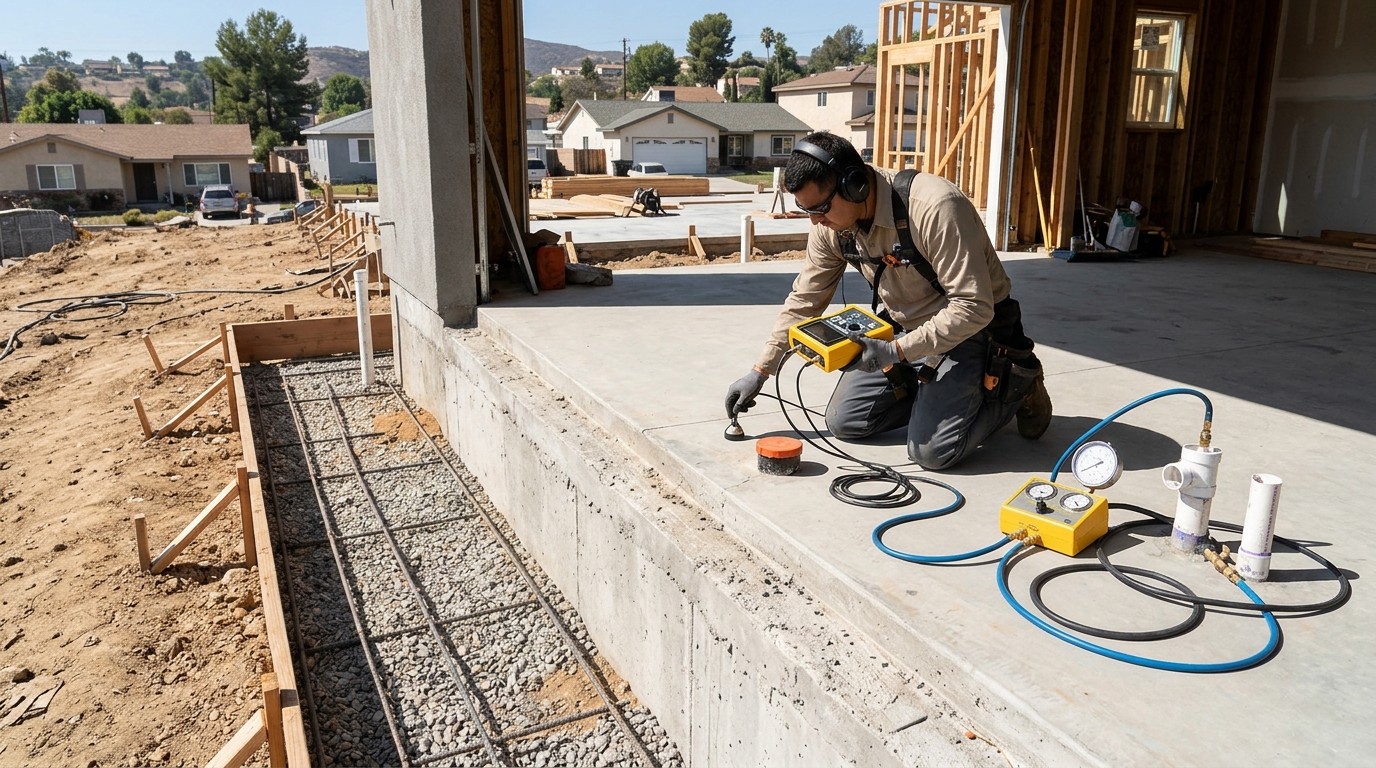
It is vital to distinguish between freshwater supply leaks and wastewater drainage slab leaks:
Freshwater Supply Leaks
Pressurized constantly (45–70 PSI). Leaks escape continuously 24/7, causing water meter movement, high utility bills, and audible acoustic hissing.
Cast Iron Drainage Leaks
Unpressurized gravity flow. Leaks occur only when toilets are flushed or sinks are drained, causing slow drainage, gurgling pipes, and persistent sewer gas odors.
Soil Erosion Hazard
When sewer line under slab Largo pipes rot out, wet sandy subgrade is washed away or sucked into the pipe, creating large subterranean cavities under foundation footings.
Diagnostic Inspection: HD Camera & Hydrostatic Testing
We accurately determine the interior condition of your drainage network before prescribing repairs:
High-Definition Sewer Camera
We feed a self-leveling color video camera through the drain lines, recording cracked hubs, root penetrations, channel rot, and scale build-up.
Hydrostatic Inflatable Ball Testing
An inflatable test ball is inserted into the main cleanout to seal the perimeter drainage system. We fill the lines with water to measure water level drop and confirm leaks.
Sonde Electromagnetic Mapping
A transmitter built into the camera head transmits a precise radio frequency to our above-ground receiver, tracing the exact depth and route under the slab.
Restoration Technologies: Tunneling vs. Trenching vs. Lining
We employ modern restoration techniques that minimize damage to your interior finishes:
1. Exterior Under-Slab Tunneling
Rather than jackhammering trenches through your interior tile or hardwood floors, our excavation crew digs a clean access pit outside your foundation perimeter and hand-tunnels beneath the concrete slab. Technicians replace corroded cast iron with schedule-40 PVC from beneath the foundation, leaving your interior completely undisturbed.
2. Trenchless Cast Iron Pipe Lining (CIPP)
Where host cast-iron pipe still retains its structural circular shape, cast iron pipe lining Largo is an outstanding no-dig option. We hydro-jet away internal rust scale and install an epoxy-saturated fiberglass liner that cures into a smooth, jointless PVC-strength inner pipe lasting for decades.
3. Precision Interior Trenching
When pipes are shallow or located under easily replaceable flooring, precision floor cutting allows rapid, direct replacement of both main and branch drain stacks.